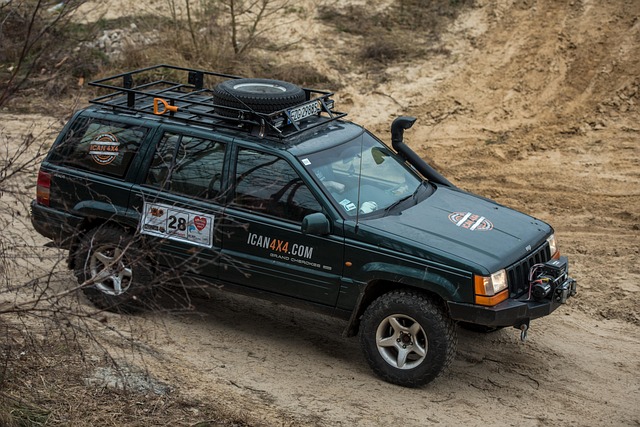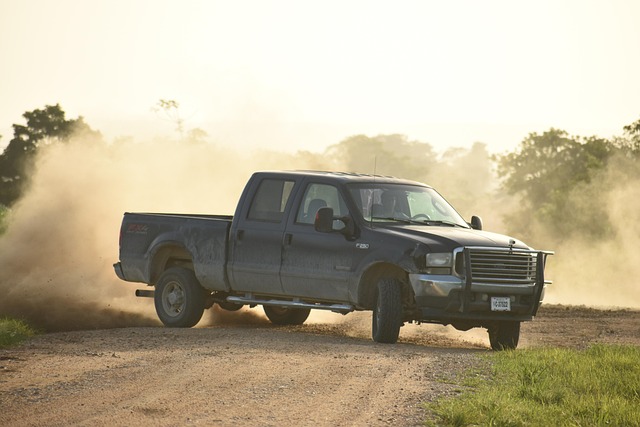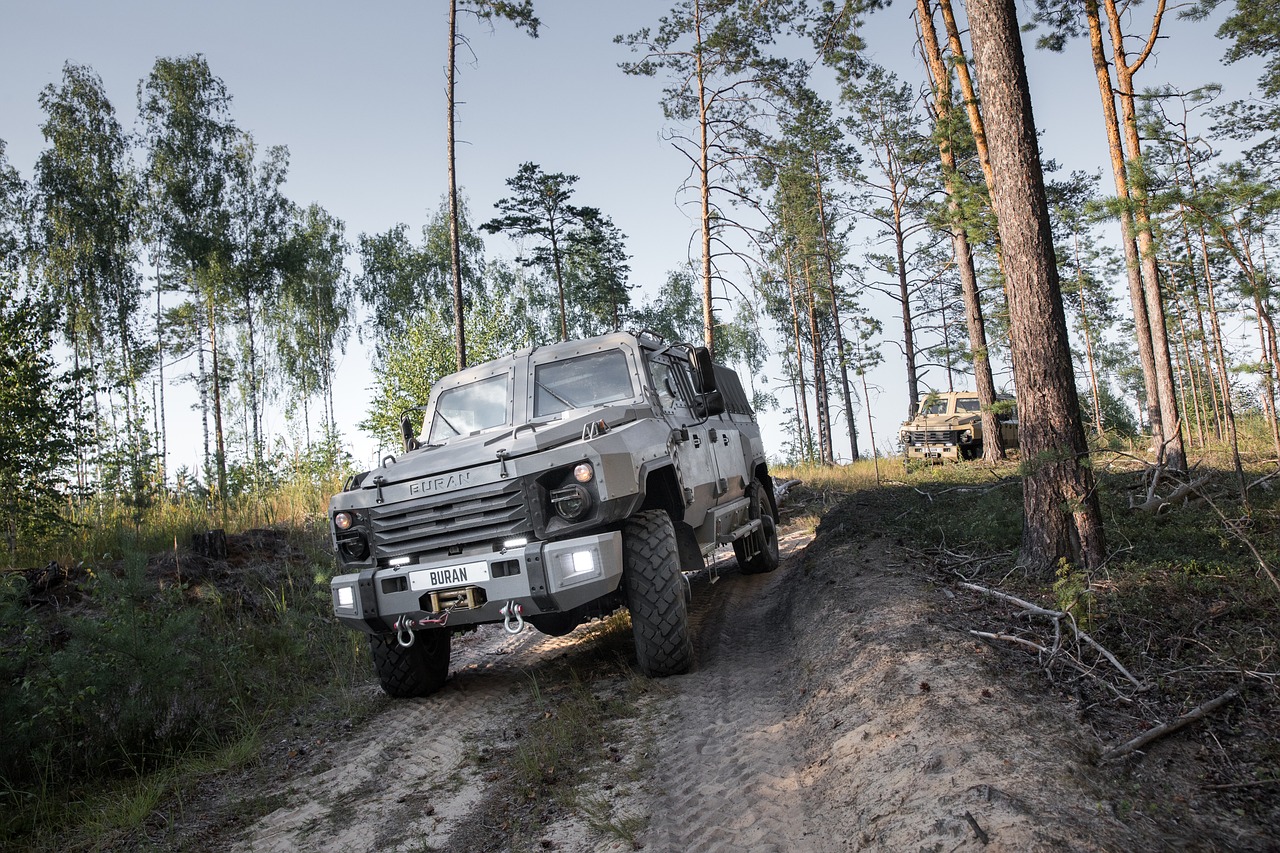
In the rugged world of off-road performance, performance-off-road-McAllen enthusiasts seek every advantage. One often overlooked yet crucial component is rock rails—steel barriers that protect your vehicle’s underbody from treacherous terrain. This article delves into the significance of rock rails, their installation, benefits, and how they enhance the capability of any off-road machine, especially those associated with performance-off-road-McAllen events.
Introduction to Performance-Off-Road-McAllen and Rock Rails
Performance-off-road-McAllen encompasses a thrilling blend of modified vehicles designed for extreme off-road challenges. These machines are not just driven; they’re pushed to their limits on treacherous trails, demanding mud, rocks, and rugged landscapes. In this competitive arena, every advantage counts. Enter rock rails—a simple yet effective modification that can transform an off-roader’s ability to conquer the most formidable terrain. This article explores why these steel barriers are essential for performance-off-road-McAllen enthusiasts and how they contribute to safer, more capable off-road adventures.
Understanding Rock Rails: A Steel Shield for Your Vehicle
What Are Rock Rails?
Rock rails are robust steel bars or sheets strategically attached beneath a vehicle’s underbody. They act as a barrier, protecting vital components from impact during off-road driving. These rails are designed to deflect or absorb energy from striking rocks, logs, and other obstacles, preventing damage to the vehicle’s suspension, fuel tank, exhaust system, and other susceptible parts.
Why Are They Crucial for Off-Road Vehicles?
Off-road vehicles face unique challenges. They navigate through uneven terrain, where a single misstep can lead to serious damage. Rock rails provide several key advantages:
- Protection: The primary role of rock rails is to safeguard the underbody from impact damage. They prevent costly repairs and potential safety hazards caused by flying debris.
- Enhanced Ground Clearance: By reinforcing the lower body, rock rails increase a vehicle’s ground clearance, allowing it to conquer taller obstacles with confidence.
- Versatility: These rails accommodate various terrain conditions, making them ideal for everything from mild trail rides to extreme off-road racing.
Installation and Customization: Making Your Vehicle Ready for Action
Steps for Installing Rock Rails
Installing rock rails is a relatively straightforward process but requires careful planning and the right tools. Here’s a simplified breakdown:
- Preparation: Ensure your vehicle is jacked up securely, and the underbody is accessible. Protect yourself with appropriate safety gear.
- Measurement: Accurately measure the required length of rock rails to ensure they cover all vulnerable areas.
- Mounting Points: Identify suitable mounting points on the chassis or existing bracketry. Prepare these areas by cleaning and inspecting for damage.
- Installation: Securely attach the rock rails using bolted connections, welds, or specialized brackets. Ensure a tight fit to prevent vibration during off-road driving.
- Testing: After installation, test the rails on various terrains to ensure they function as expected and don’t interfere with normal vehicle operation.
Customization Options for Performance-Off-Road-McAllen Vehicles
Performance-off-road-McAllen enthusiasts often seek customization to tailor their vehicles to specific needs. Here are some popular ways to enhance rock rails:
- Material Upgrades: Higher-gauge steel or aluminum alloys can provide increased strength and corrosion resistance, ideal for extreme conditions.
- Design Variations: Custom designs include angle cuts, notches, or reinforced sections to accommodate unique terrain challenges.
- Additional Accessories: Integrating winches, recovery points, or lighting systems with rock rails enhances the vehicle’s functionality.
Benefits of Rock Rails: Unleashing Your Off-Road Potential
Safety First: Mitigating Risk During Extreme Driving
In high-risk off-road scenarios, rock rails can be a lifesaver. They significantly reduce the chance of rollovers and underbody damage, which are common hazards in challenging terrain. By minimizing these risks, performance-off-road-McAllen participants can focus on enjoying the thrill of the ride while staying safer than ever before.
Enhanced Capability: Conquering Tougher Trails
Rock rails empower performance-off-road-McAllen vehicles to tackle trails once considered impossible. With added protection, these machines can navigate through denser foliage, steeper slopes, and more extended periods without worrying about underbody damage. This translates to opening up new opportunities for exploration and competition.
Resale Value and Longevity: Investing in Your Investment
Beyond the immediate benefits of improved safety and performance, rock rails also contribute to long-term vehicle value. By protecting vital components, they help preserve the overall condition of your off-road machine. This is particularly important for performance-off-road-McAllen vehicles, which often undergo rigorous testing and competition, leading to higher resale values.
Maintenance and Care: Keeping Your Rock Rails Ready for Action
Regular Inspection
Regularly inspect your rock rails for signs of damage or wear, especially after intense off-road sessions. Look for cracks, deformations, or loose connections. Promptly addressing any issues ensures optimal performance and safety.
Cleaning and Coating
Maintain the integrity of your steel rock rails by cleaning them regularly to prevent corrosion. Consider applying a protective coating to extend their lifespan. This step is crucial in harsh environments or after frequent use.
Adjustments for Changing Terrain
As you explore new trails, be mindful that different terrain may require adjustments to your rock rails. You might need to reconfigure or reinforce certain sections to adapt to the unique challenges of each off-road adventure.
Frequently Asked Questions (FAQs)
Q: Are rock rails necessary for everyday off-road driving?
A: While they are essential for extreme conditions and competition, rock rails can be beneficial for any off-road enthusiast. They offer peace of mind, especially when exploring unfamiliar trails, and can prevent costly repairs over time.
Q: How do I choose the right material for my rock rails?
A: Standard steel is a popular choice due to its strength and affordability. For extreme conditions, consider high-strength aluminum or specialized off-road alloys that offer excellent corrosion resistance.
Q: Can I install rock rails myself, or should I hire a professional?
A: Many enthusiasts successfully install rock rails themselves with the right tools and knowledge. However, for complex installations or vehicles with unique requirements, consulting a professional off-road modification specialist is recommended.
Q: Do rock rails affect the vehicle’s performance on regular roads?
A: Well-designed and properly installed rock rails should not significantly impact your vehicle’s on-road performance. They are engineered to provide protection without hindering normal driving dynamics.
Conclusion: Unlocking New Possibilities in Performance-Off-Road-McAllen
In the pursuit of excellence in performance-off-road-McAllen, every detail matters. Rock rails, often an afterthought, emerge as a powerful tool for enthusiasts seeking to conquer challenging terrain safely and effectively. By understanding their role, benefits, and proper installation techniques, off-road vehicle owners can unlock new levels of performance and exploration.
Whether you’re a seasoned performance-off-road-McAllen veteran or just starting your off-road journey, investing in rock rails is a strategic move that enhances your capabilities and ensures a longer, more enjoyable experience amidst nature’s roughest challenges.